Price the scope before the look
A photography website quote is easier to compare when it names the result. A one-page introduction, a portfolio with individual projects, and a studio website with a blog and content management are different jobs. Asking three designers for “a beautiful website” can produce three prices for three different things.
Write down the visitor’s route: discover your style, open a complete story, understand your service and send an inquiry. Then list the pages and features needed for that route. A cinematic hero may matter, but it does not replace a working contact flow or a gallery that can be updated after launch.
Our starting prices
| Format | Starting price, USD | Starting scope |
|---|---|---|
| Landing page | $500 | One page, responsive design, services, examples and contact route |
| Portfolio | $800 | Categories, individual projects and photo/video presentation |
| Turnkey studio website | $1,500 | Up to 8 pages, owner dashboard, your CRM form and launch on your domain |
These are Delsity starting prices, not an industry-wide average. The turnkey website includes the owner dashboard and one CRM form; for a landing page or portfolio they are quoted separately. A quote should say which features are included, which are optional and what materials you need to provide.
Separate build costs from operating costs
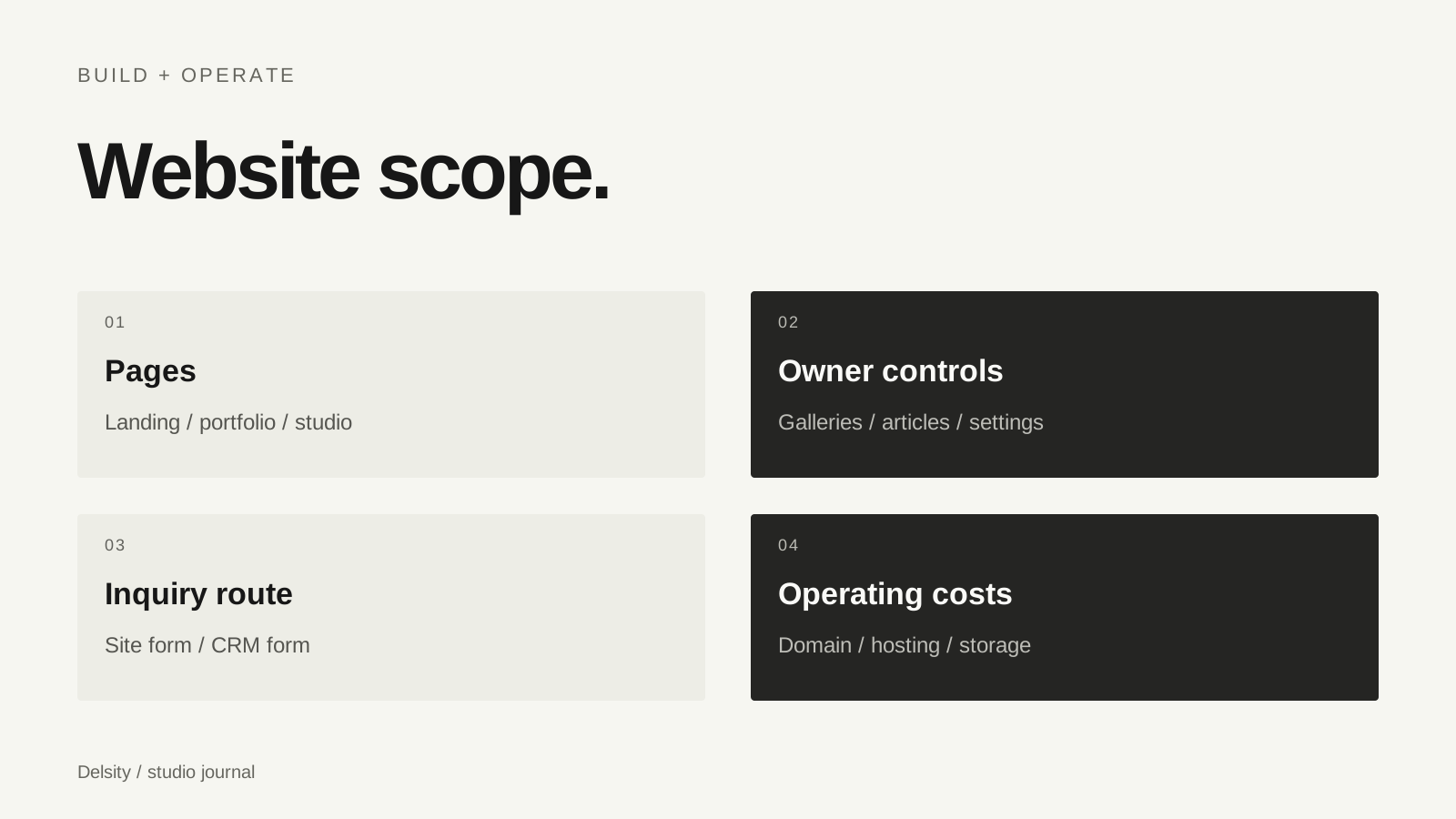
Domain registration, hosting, storage and subscriptions can continue after the design project. They may be billed by other providers. Ask who owns each account, which plan is required and who pays renewal charges. A low build price is difficult to assess when the operating setup is unspecified.
For a video-led website, hosting the films is a separate decision. A small preview and a full film have different storage and loading needs. Confirm whether visitors watch a hosted player or a local file, whether the poster image is included and what happens when you replace the film.
Content and a CMS change the work
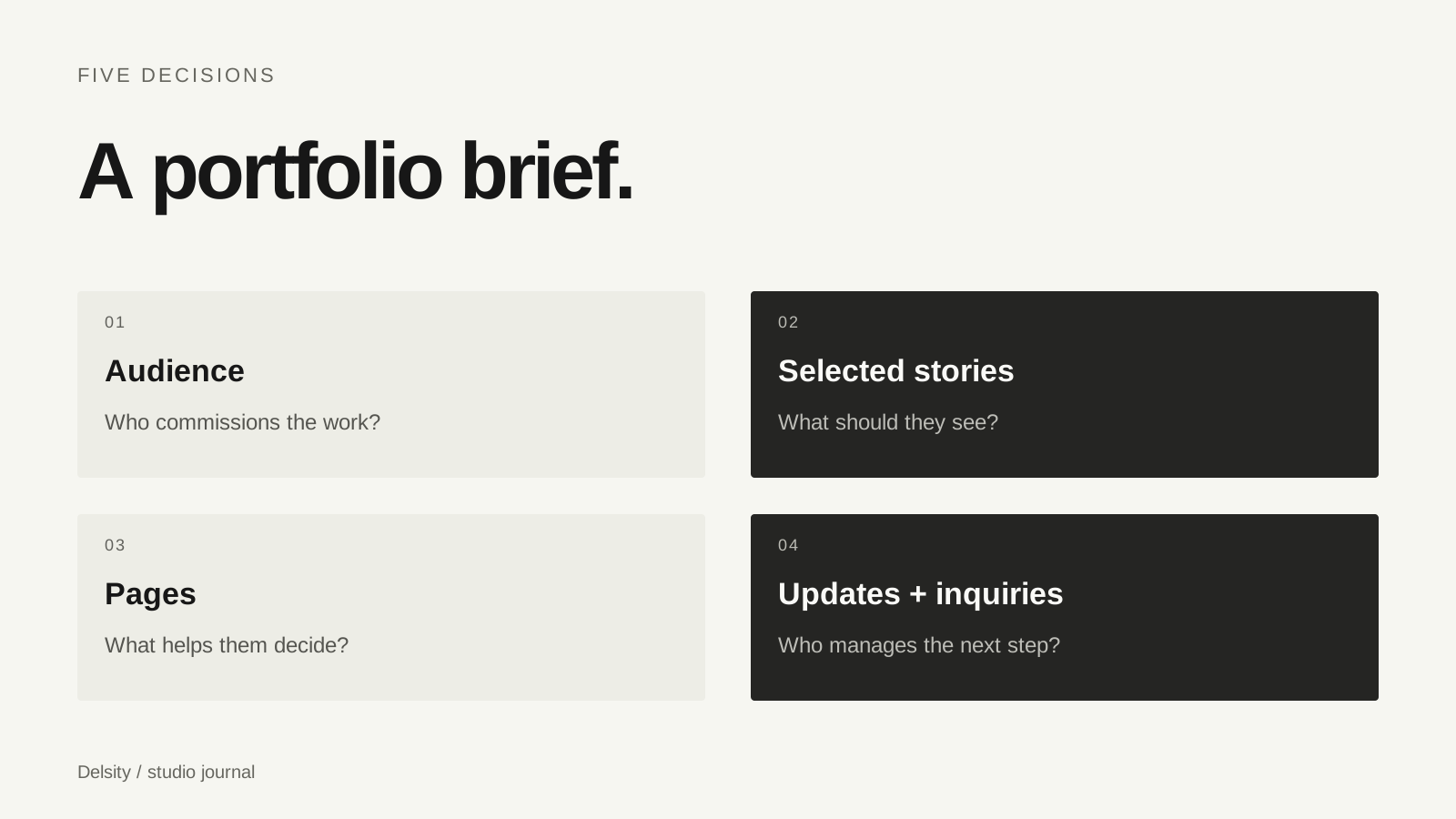
A portfolio needs more than images. Project names, cover selections, service text, pricing and inquiry questions all need decisions. Decide whether the studio will help with initial content or whether you will provide everything ready to place. Count complete project pages rather than only navigation items.
If you want to update galleries and write articles yourself, include those editing controls in the brief. A CMS is useful when the tasks you perform are actually available in it. In our LUMEN example, the owner can manage site content through a cabinet; the exact controls for a commissioned website are agreed individually.
Use our CMS decision guide to separate routine updates from changes that still require development.
A quote comparison checklist
- Named pages and the number of initial project stories.
- Mobile gallery behaviour and film playback.
- Editable fields, publishing flow and owner access.
- Inquiry destination and any CRM form connection.
- Content preparation, SEO setup and launch responsibilities.
- Files, accounts, documentation and support after handover.
For Delsity website projects, payment is 50% before work and 50% after approval, before launch and transfer. Agree the deliverables and revision stages alongside the payment schedule. The useful comparison is the same scope at different prices, rather than the lowest headline number.
Frequently asked questions
Is a photography website a one-time expense?
The design and development project can be a one-time purchase. Domain, hosting, storage or subscription charges can continue. Keep these costs separate in the quote.
Does a starting price include a blog and a CMS?
Not automatically. The number of pages and any owner editing area must appear in the agreed scope.
Can I launch with a smaller portfolio?
Yes. Select a complete initial scope with a few strong project stories and a working inquiry route, then plan later additions.