Name the client you want to reach
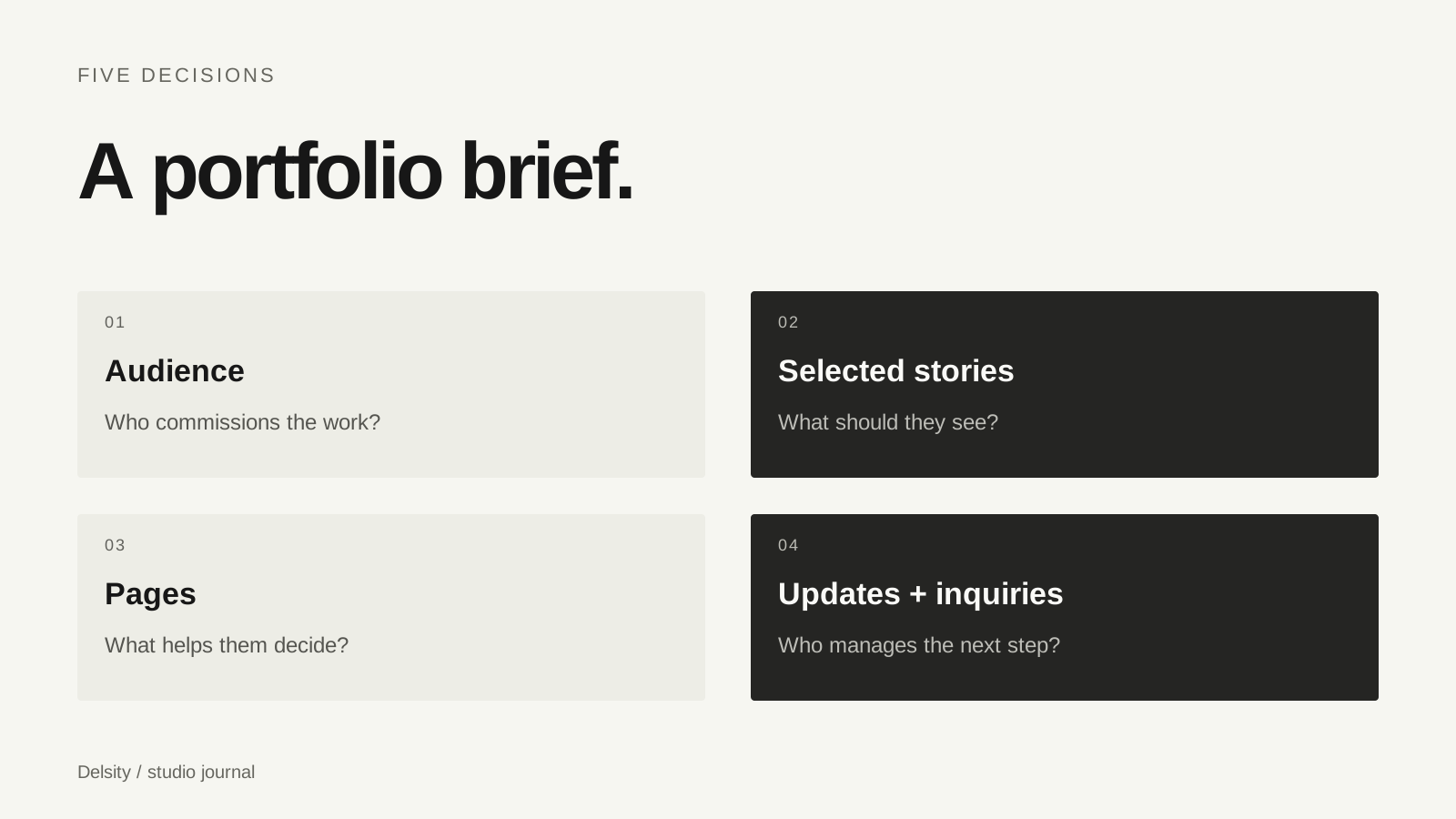
A wedding filmmaker, an editorial photographer and a sports production team may all show beautiful images. They do not need the same opening message. Describe the type of work you want to book and the people who commission it. Your portfolio should make that relationship clear before someone studies the navigation.
Give the designer a sentence about the business, a sentence about the audience and a sentence about the action a visitor should take. Include geography only when it is a real part of your service. Avoid claiming a location or specialty simply because a keyword sounds attractive.
Select complete projects
Prepare a small set of complete stories rather than a folder of every good photograph. For each project, include a title, a cover, selected images or a film link, and a brief explanation of your role. Check that you can display the work publicly and that third-party material has the required permissions.
Do not make visitors guess whether a film is a full project, a short excerpt or a concept. Clear labels let someone assess the work and understand what it demonstrates.
Plan pages around decisions
| Visitor question | Page or section |
|---|---|
| Is this the style I want? | Selected work and project stories |
| What do they offer? | Service pages |
| Can I trust this studio? | About, work context and real testimonials when available |
| What does it cost? | Pricing or a clear quote process |
| How do I start? | Inquiry form or contact route |
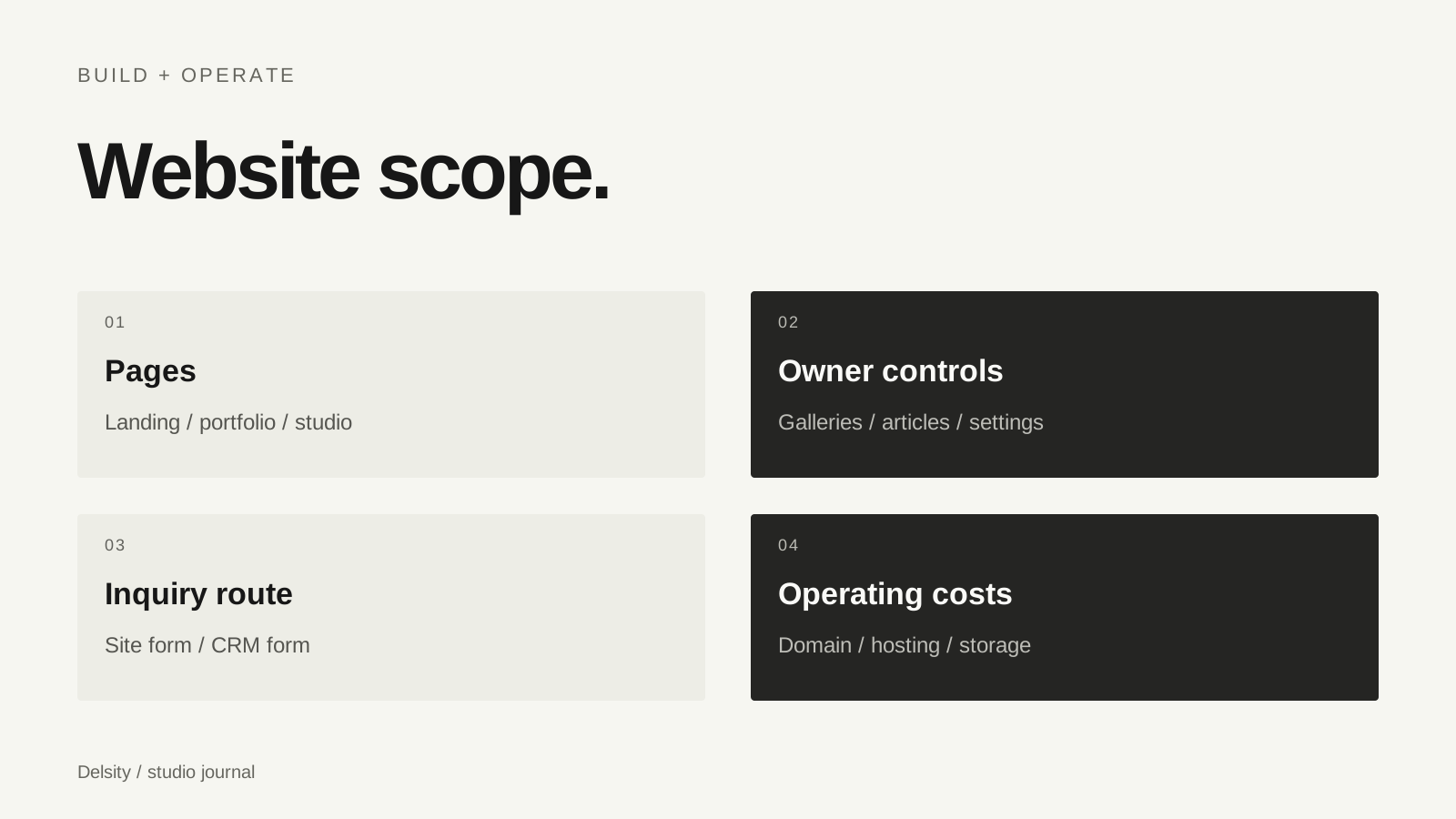
Not every question needs a separate page. The brief should explain which information must be easy to find and which material can live within a case study. Start with a short, readable navigation before adding more categories.
Include your editing tasks
Write down what changes every month: the opening photograph, a new project, prices, a biography, a blog post or a film link. Ask which of these tasks will be available in the owner cabinet. Specify whether you need draft preview, publishing and a way to undo a mistaken change.
Also decide where inquiries should arrive. If you already use a CRM, share its published form link and required fields. A CRM connection brief should distinguish an embedded form from a deeper integration. Do not treat them as interchangeable deliverables.
A brief you can copy
We photograph or film [type of work] for [audience]. Our visitor should look at [selected projects] and then [next action]. We need [pages]. We will update [content] ourselves. Inquiries should arrive in [destination]. Our preferred direction is [reference and reason].
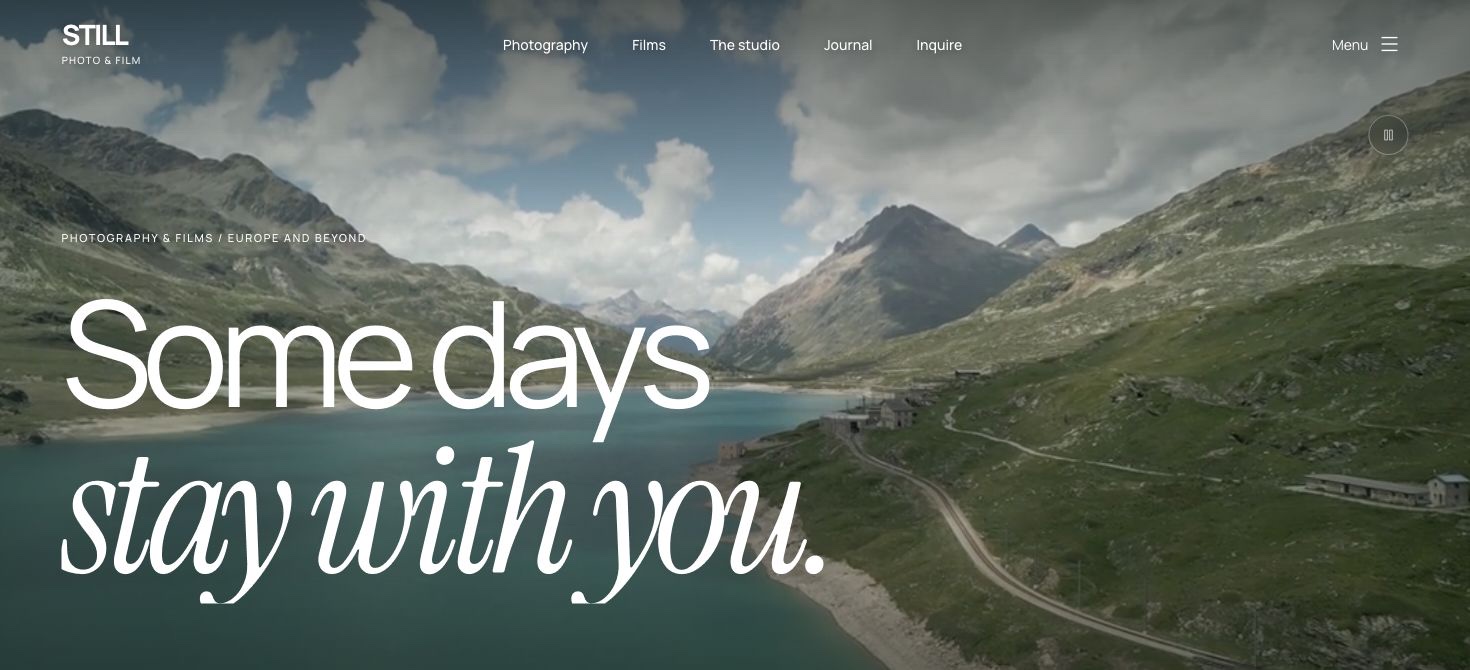
Add available brand files, media, text, current website access, desired launch timing and the person who approves the work. List any materials still missing. This keeps an incomplete asset folder from being mistaken for a complete brief.
Before approving a quote, ask how mobile viewing, media loading, owner access and launch will be checked. The website cost guide explains how these decisions change the scope. A focused brief makes room for a strong visual idea while keeping the website useful.
Frequently asked questions
Do I need finished copy before contacting a designer?
No, but identify the pages and material you already have. The quote should say whether copy preparation or editing is included.
How many references should I send?
Send a small selection and explain the specific qualities you like: pace, typography, gallery behaviour or tone. Contradictory examples need a clear priority.
Should the brief include a CMS?
Yes, when you want to edit the site yourself. Name the actual tasks and publishing controls you need.