Why a per-second figure can mislead
A ten-second title card and ten seconds of detailed graphic storytelling have the same runtime but different work. A quote needs to describe the visual content, the motion and the number of scenes. Runtime is useful once these decisions are clear.
Start with the communication goal: introduce a person, explain a service, announce a product or connect scenes in a film. Then describe what appears on screen. This prevents an estimate based on a simple title from being mistaken for an estimate for a more elaborate sequence.
Separate design from animation
If the design is already approved, provide the editable assets and confirm that the animator can use them. If you only have a written idea, the project includes visual development as well as motion. A reference may describe the tone without supplying the actual graphic elements.
Send brand colours, fonts or font instructions, logos, approved copy and any illustration assets. Mark what is final and what still needs approval. Late copy changes can affect line breaks, timing and composition, so the text should be reviewed before detailed motion is finished.
What belongs in a quote
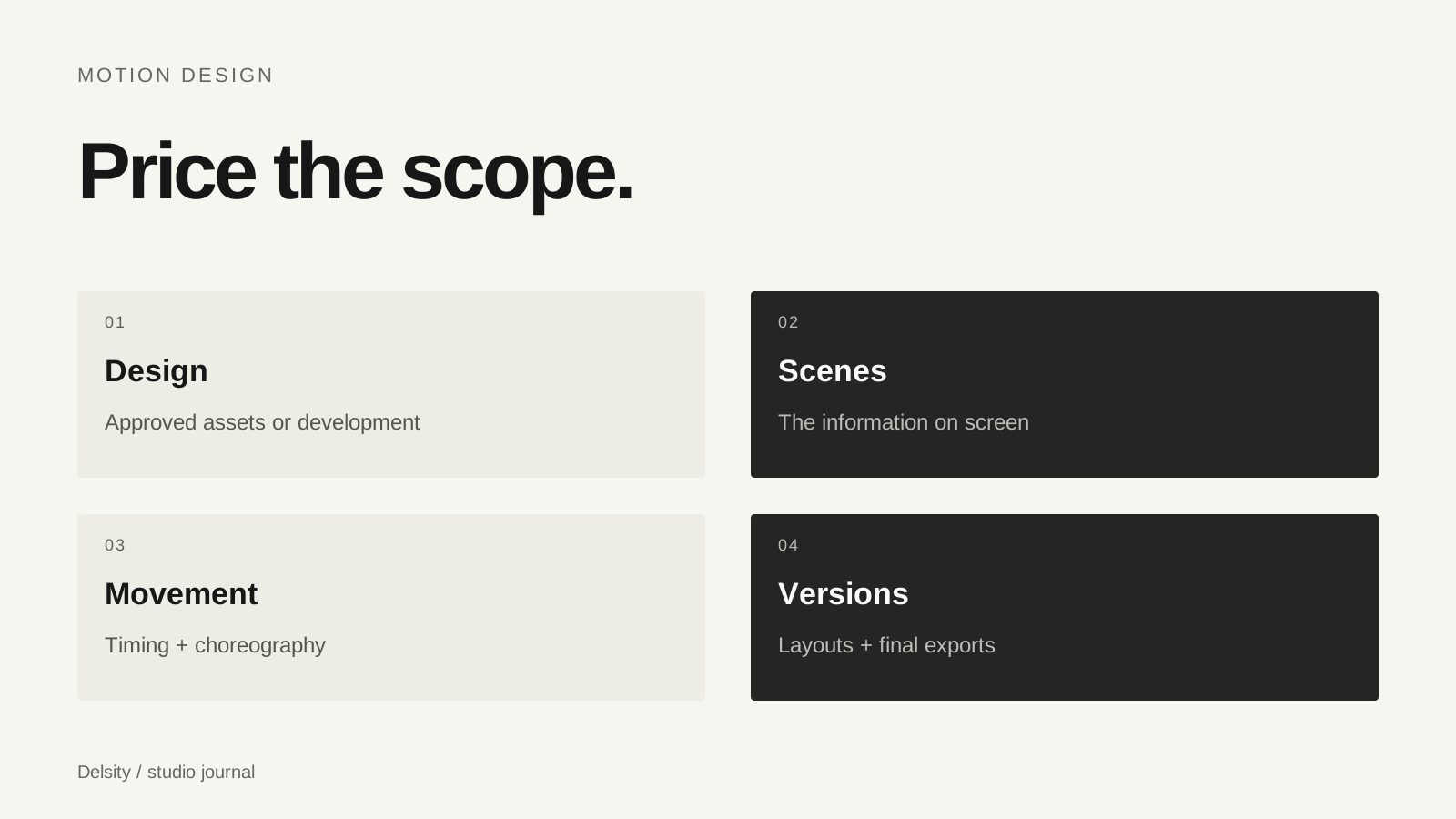
| Scope item | Example question |
|---|---|
| Scenes | How many separate compositions are required? |
| Movement | Simple entrances or more elaborate choreography? |
| Design | Approved artwork or design from the brief? |
| Versions | One format or horizontal and vertical layouts? |
| Delivery | Viewing export, editing master or editable source? |
A list like this makes two quotes comparable without pretending there is a universal industry tariff. At Delsity, motion graphics are quoted after the scenario and deliverables are understood. We do not publish a fixed price per second for every type of work.
Platform versions need layout decisions
A wide composition may not remain readable when cropped vertically. Text, spacing and the position of graphic elements can need a different arrangement. Include all intended aspect ratios in the brief, along with any platform-specific use.
Where text is important, review it at the display size in which a viewer will encounter it. An exported title that looks sharp on a large monitor can still be too small on a phone. Motion should give the audience enough time to read the information before it leaves the screen.
Agree the review sequence
A useful sequence is to confirm content, approve the visual direction, review motion and then check the final exports. The exact stages and revision conditions belong in the agreed scope. They should not be assumed from a generic service label.
Choose one reviewer to consolidate comments. Refer to the version and timecode, then state the desired change. “The second line needs more time to read” is actionable; “make it pop” leaves the problem undefined. If the request changes the approved direction, discuss the impact on scope.
For work centred on one logo, the logo animation service may be the relevant starting point. For a broader visual sequence, read motion graphics versus animation and prepare the scene list before asking for a quote.
Frequently asked questions
Do you price all motion graphics per second?
No. Duration is considered alongside scenes, design work, complexity and delivery versions.
Is a vertical version always a simple crop?
No. Important text or graphic elements may need to be rearranged for the new aspect ratio.
What should be final before animation starts?
The message, required text, design direction and output list should be clear. The exact approval stages are agreed for the project.